Gold Mines in Nova Scotia
Saint Barbara is an Australian mining company active in Nova Scotia. Their open pit gold mine at Moose River (the Touquoy Gold Mine) is owed and operated by their daughter company Atlantic Gold. Three additional mines have been proposed, creating what Saint Barbara refers to as their “string of perals”.
The three sites are spread out accross the eastern interior of the province, at fifteen Mile Stream, Beaver Dam and Cochrane Hill. The Ecology Action Centre hosts a series of “storyboards” to describe the open pit mining process, the company Saint Barbara, and the mining sites being proposed. Check out the general information storyboard here.
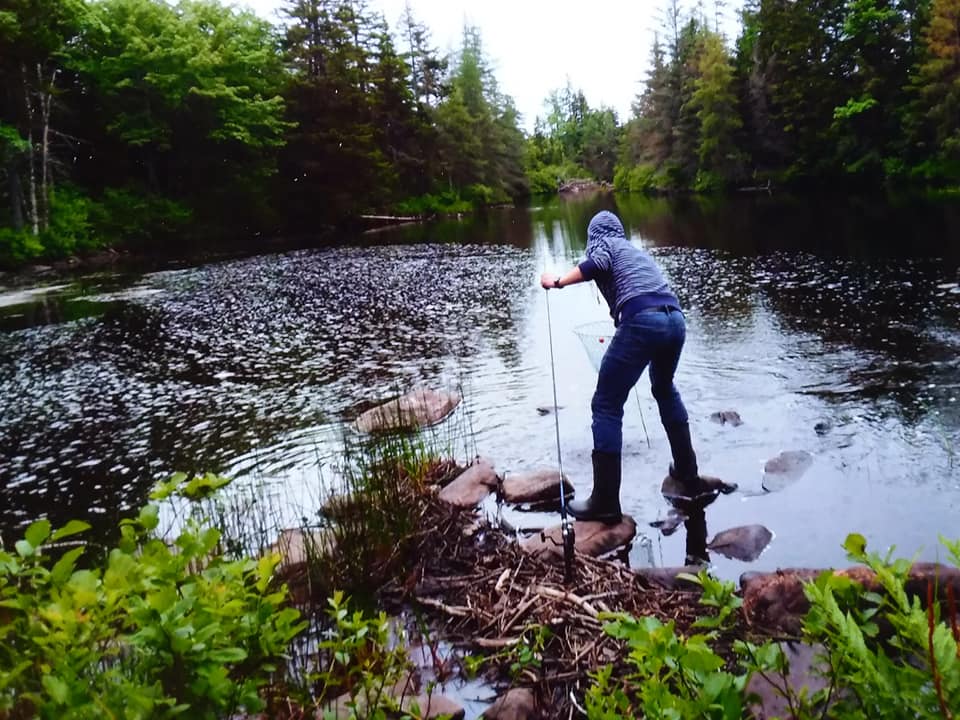
Moose River-before
photo: Ed May
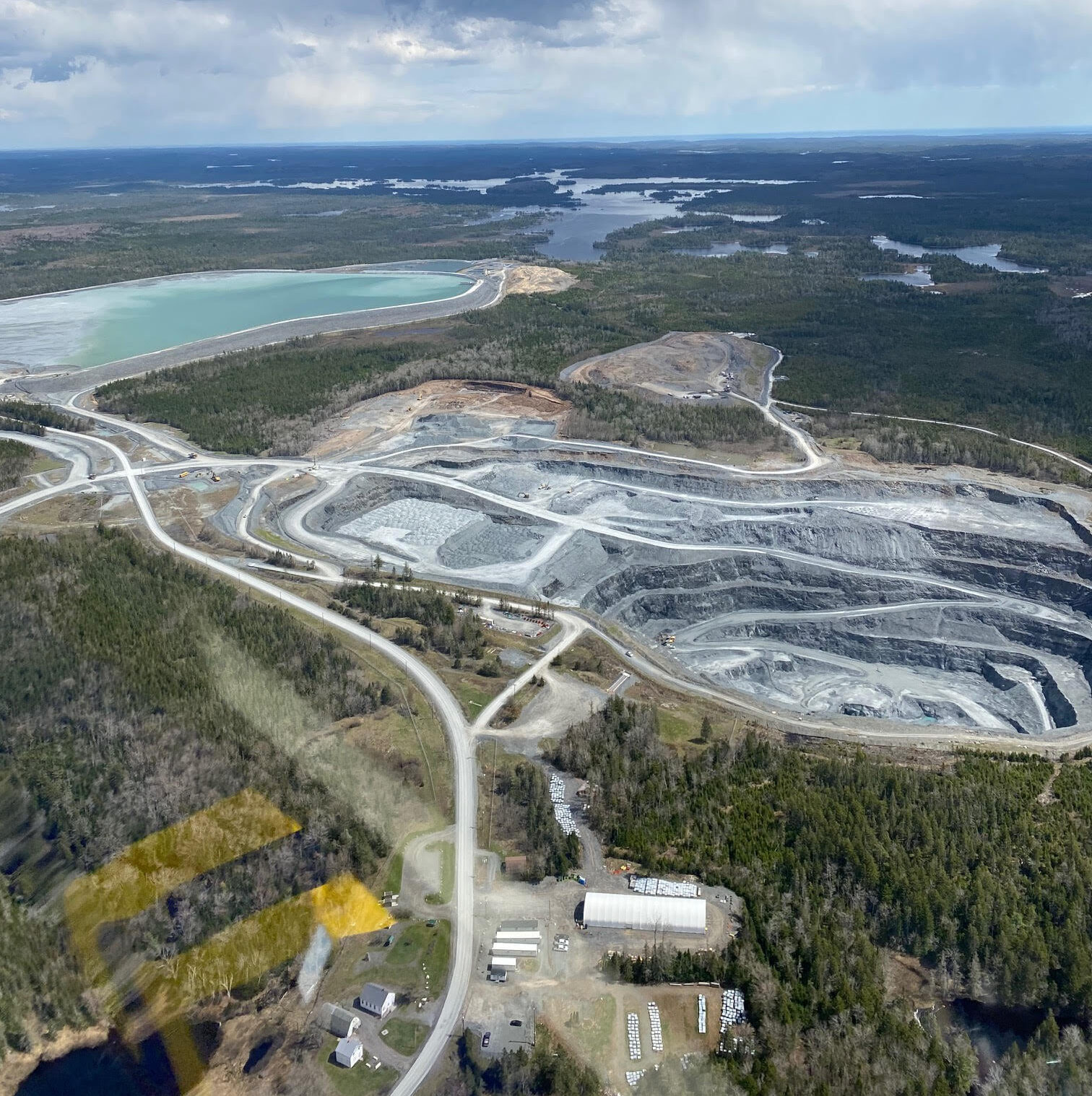
Moose River-touquoy mine
Photo Ray Plourde
If at first you don't succeed...
Saint Barbara withdrew the Cochrane Hill and Beaver Dam proposals but have now repackaged their plans, rolling all four sites into one mining hub. This will develop an enormous industrial and toxic footprint accross the eastern shore of Nova Scotia. This area is an intricate and complex network of wetlands, lakes, rivers and steams that provide critical habitat for salmon, trout, moose and many endangered species. The area is also important to the Mi’kmaw communities who rely on these ecosystems for food, medicines and livelihood. This development will also impact the hunters, fishers and ecotourism operators who rely on access to the crown lands and wilderness areas and will impact the water supply of communities downstream.
Go here for the specific information Storyboard on each proposed mine, including the amount of ore to be processed and the impact it will have on the area.
Impact Assessment and what you can do
St Barbara / Atlantic Gold Mining Hub is now before the Impact Assessment Agency of Canada to determine if this project should undergo a full Federal environmental assessment, as opposed to watered-down provincial scrutiny.
The comment period for this process is open until July 7, 2026.
Link to the Impact Assessment Agency of Canada where you can submit your comments:
https://iaac-aeic.gc.ca/050/evaluations/proj/90533
You can download the project summary here (92 pages)
A guide to help with comments
The following guide was written by Scott Beaver of The Saint Mary’s River Association. Hopefully this guide will help you write your own comments to the Impact Assessment Agency so that the lasting impacts of this development will be clear to the regulators.
Why This Guide Was Created
The proposed Fifteen Mile Processing Hub Project has entered an important federal review stage.
Federal regulators are currently deciding whether this project should remain under federal environmental assessment or be left primarily to a provincial review process.
Many residents believe it is critically important that federal oversight be maintained. The project has potential implications for fish habitat, Atlantic salmon, species at risk, water quality, wetlands, and other matters that fall under federal responsibility.
This guide has been prepared to help residents, watershed users, conservation supporters, and other interested citizens understand the proposal and prepare their own comments.
You do not need to be a scientist, lawyer, or technical expert to participate.
The most effective submissions are often personal. Regulators need to hear why the St. Mary’s River and Sheet Harbour river systems matter to you, what concerns you have about this project, and what kind of future you want for your community.
Two Important Messages
Many community members hold two views.
First, they do not support this mining project and believe it poses unacceptable risks to rivers, fish habitat, wildlife, tourism, and the long-term future of the region.
Second, regardless of where someone stands on the project itself, many people believe it deserves a full federal environmental assessment because of its potential impacts on fish habitat, Atlantic salmon, species at risk, water quality, and other matters of federal responsibility
Understanding the Name Changes
Many folks knew these projects by different names during previous review processes. The names have now changed:
Fifteen Mile Stream is now referred to as the Fifteen Mile Mine or Fifteen Mile Processing Hub.
Beaver Dam is now known as the Old Austen Mine.
Cochrane Hill is now known as the Old Mitchell Mine.
These sites are not all located in the same area. They are separate locations but are increasingly being presented as one integrated mining project.
Ore from multiple mining sites would be transported to a central processing location at Fifteen Mile Stream.
Processing facilities, waste management infrastructure, tailings management, and water treatment would be concentrated there.
Many residents believe the cumulative effects of treating these sites as one integrated mining district deserve careful federal review.
Why Federal Assessment Matters
Federal environmental assessment provides an additional level of scrutiny beyond provincial review.
Many folks believe federal oversight is particularly important because:
• Fish habitat will be affected.
• Atlantic salmon populations remain under pressure.
• Species at risk occur within the watershed.
• Water quality concerns extend beyond local boundaries.
• The Fisheries Act creates federal responsibilities for protecting fish and fish habitat.
People are concerned that if the project is reviewed only provincially, important federal considerations may receive less attention.
The St. Mary's River Watershed
The St. Mary’s River is one of Nova Scotia’s most significant river systems.
The watershed supports Atlantic salmon, wood turtles, brook floater mussels, Atlantic sturgeon, and numerous other species.
For many people the river is more than a watercourse. It is part of the area’s identity, history, culture, recreation, and economy.
Families fish, paddle, camp, swim, hunt, birdwatch, and spend time throughout the watershed.
Many people choose to live here because of the natural environment and the quality of life it provides.
Decades of Conservation Investment
For decades, community organizations, volunteers, governments, scientists, and conservation groups have invested substantial resources into protecting and restoring the watershed.
Examples include:
• Habitat restoration projects.
• Stream rehabilitation.
• Smolt monitoring.
• Stock enhancement programs.
• Water quality monitoring.
• Acid rain mitigation.
• Species at risk monitoring.
• Conservation land protection.
• Atlantic salmon recovery initiatives.
Organizations involved include the St. Mary’s River Association, Atlantic Salmon Federation, Nova Scotia Salmon Association, Ecology Action Centre, Oceans North, Fisheries and Oceans Canada, Nova Scotia Nature Trust, Ducks Unlimited, local volunteers, and many others.
These investments deserve the highest level of environmental scrutiny before major industrial development proceeds.
Canada's First Freshwater Ecologically Significant Area Candidate
The St. Mary’s River is currently being advanced as a candidate for Canada’s first freshwater Ecologically Significant Area under the Fisheries Act.
Federal agencies are actively developing conservation objectives and engaging with stakeholders.
Many residents believe this work highlights the national ecological significance of the watershed and raises questions about whether federal oversight should be reduced while this process is underway
We Are Not Opposed to All Development
Many residents support responsible economic development.
The region is already pursuing a variety of initiatives including:
• Habitat restoration.
• Conservation-based tourism.
• Environmental education.
• Scientific research.
• Renewable energy projects.
• Carbon reduction initiatives.
• CarbonRun river restoration projects.
• The whale sanctuary.
• Conservation land protection.
The concern expressed by many residents is not development itself.
The question is whether large-scale gold mining is compatible with the environmental, cultural, and economic future communities are working to build.
Water Quality, Tailings, and Acid Mine Drainage
Water is often the most significant concern raised by residents.
Gold mining and ore processing generate large volumes of waste rock, contaminated water, and tailings.
Processing typically involves cyanide and creates long-term waste management obligations.
You may wish to discuss:
• Risks to rivers, streams, lakes, and groundwater.
• Tailings storage.
• Long-term treatment obligations.
• Heavy metals.
• Acid mine drainage.
• Extreme weather events.
• Long-term monitoring after mine closure.
Many Nova Scotians believe clean water and healthy aquatic ecosystems should be prioritized and protected.
Fisheries Act Responsibilities and Salmon Recovery
The federal government has legal responsibilities under the Fisheries Act to protect fish and fish habitat.
The St. Mary’s River has received significant investment in Atlantic salmon recovery.
Community volunteers, conservation organizations, scientists, and governments have worked together for years to improve habitat and support salmon populations.
Many residents believe these efforts deserve strong federal oversight and careful consideration when evaluating projects that may affect watershed health.
Company History and Public Trust
Some residents have concerns about the environmental compliance history of Atlantic Mining NS and predecessor operations.
Issues often raised include:
• Environmental enforcement actions.
• Environmental convictions.
• Inclusion on Canada’s Environmental Offenders Registry.
• Disputes regarding reclamation and cleanup obligations.
• Concerns about public engagement processes.
• Concerns about legal actions and threats involving community organizations and governments.
Many Nova Scotians believe a company’s past performance is relevant when considering future environmental risk and the need for oversight.
Three Mines, One Processing Hub
A central concern is the proposal to process ore from multiple mining operations at a single location.
You may wish to ask:
• Are cumulative impacts being fully assessed?
• Is it appropriate for one watershed to bear the burden of waste and processing from multiple sites?
• Have downstream communities been adequately considered?
• Are long-term liabilities being properly evaluated?
Trucking, Roads, Bridges, and Fish Habitat
The proposal relies on trucking ore along public roads rather than a dedicated haul road.
You may wish to discuss:
• Increased traffic.
• Noise and dust.
• Public safety.
• Road maintenance.
• Bridge upgrades.
• Culverts and watercourse crossings.
• Sedimentation and runoff.
• Potential impacts to fish habitat.
• Emergency response concerns.
• Costs borne by taxpayers.
Infrastructure concerns are not only transportation issues. They are also watershed and habitat protection issues.
Climate Change, Drought, Wildlife, and Wetlands
Nova Scotia has experienced drought conditions and increasing climate variability.
Wetlands, forests, and healthy watersheds play important roles in storing water, supporting biodiversity, and improving climate resilience.
You may wish to discuss:
• Water withdrawals during drought.
• Wetland loss.
• Habitat fragmentation.
• Species at risk.
• Long-term watershed resilience
Tourism, Recreation, and Community Identity
The St. Mary’s region is increasingly building a reputation around healthy ecosystems, conservation, outdoor recreation, environmental stewardship, and nature-based tourism.
Many residents believe the future of the region includes tourism, recreation, environmental education, habitat restoration, scientific research, and conservation leadership.
Some are concerned that large-scale gold mining and increased industrial trucking could undermine the environmental reputation communities are working to build.
Royalties and Community Benefits
Gold mining projects are often promoted for economic benefits.
However, some residents question whether provincial royalty structures provide sufficient public return for the risks involved.
Concerns frequently raised include:
• Royalties remain relatively low.
• Royalties are tied to profitability.
• Municipalities receive little direct benefit.
• Communities often bear infrastructure impacts.
• Taxpayers may ultimately bear long-term costs.
Some folks believe municipalities should receive a direct share of mining royalties if they are expected to host impacts associated with resource development
Some Places Are Simply Not Appropriate for Mining
Not everyone is opposed to all development.
However, some believe certain landscapes are too important ecologically, culturally, and socially to industrialize.
The St. Mary’s watershed contains important fish habitat, species at risk, conservation lands, restoration projects, and significant public investment.
Many Nova Scotians believe these values should take precedence over resource extraction and that future generations deserve to inherit a healthy watershed.
Who Can Comment?
Anyone can comment.
You may wish to write as:
• A resident.
• An angler.
• A paddler.
• A camper.
• A birder.
• A hunter.
• A tourism operator.
• A volunteer.
• A parent or grandparent.
• A student.
• A scientist.
• A watershed visitor.
• A concerned Nova Scotian
Personal experiences often create the strongest submissions
Final Thoughts
You do not need to cover every issue in this guide.
Choose the topics that matter most to you and explain them in your own words.
Tell regulators why the St. Mary’s River matters to you, what concerns you have about this project, and what kind of future you want for St. Mary’s and Sheet Harbour.
Many community members oppose this project. Others are focused on ensuring that it receives a full federal environmental assessment.
Respectful, thoughtful, and personal comments can help regulators understand the importance of the watershed and the depth of public concern surrounding this proposal.